

Do I Need an Asbestos Inspection for Water Damage Repairs in Massachusetts?
- Apr 13
- 2 min read
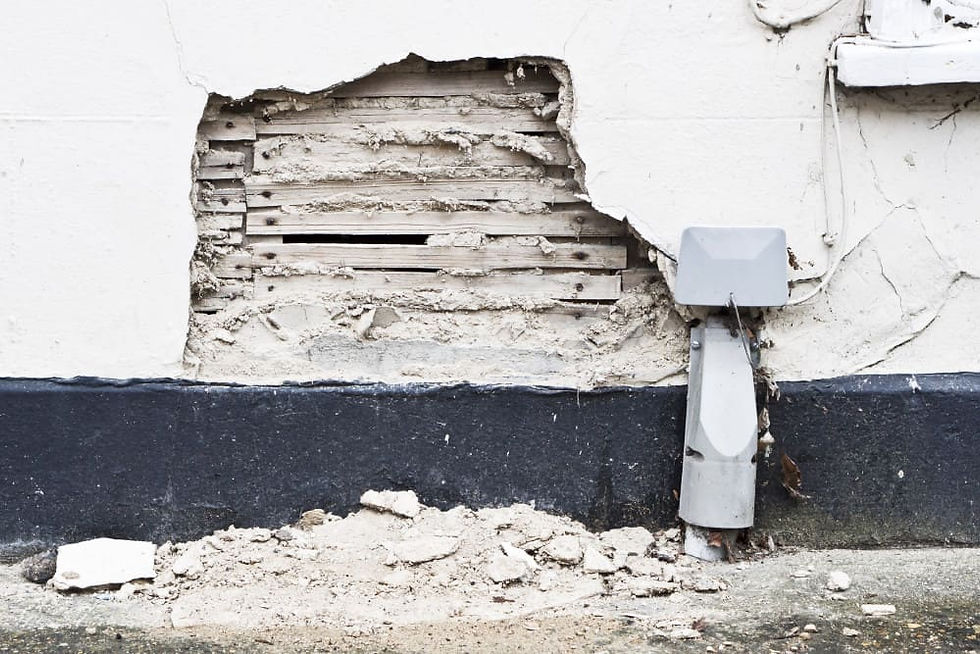
Yes — in many cases, water damage repairs in Massachusetts require an asbestos inspection before work begins, especially if materials like drywall, plaster, or ceiling finishes need to be removed.
Why Water Damage Often Triggers Asbestos Inspections
Water damage repairs frequently involve cutting into building materials — a process often called a “flood cut.”
This can include:
Removing sections of drywall
Opening ceilings
Tearing out insulation or flooring
If the home was built before the 1980s, these materials may contain asbestos.
Because of this, disturbing them without testing can create compliance issues and safety risks.
Common Situations That Require Testing
In Massachusetts, an asbestos inspection is often needed when water damage affects:
Walls (drywall or plaster)
Ceilings
Floor tiles or adhesives
Pipe insulation
Older insulation materials
Even small repair areas can require testing if materials are being disturbed.
How Restoration Projects Typically Work
In a typical water damage scenario:
Damage occurs (pipe burst, ice dam, leak, etc.)
A restoration company assesses the damage
Before demolition begins, an asbestos inspection is required
Materials are tested
Work proceeds based on results
Most professional restoration companies will not begin cutting without proper clearance.
Why This Step Is Important
Skipping an asbestos inspection during water damage repairs can lead to:
Delays in starting work
Issues with insurance claims
Stop-work orders
Potential exposure risks
It’s a critical step that ensures the project is handled correctly.
Timing Matters in Water Damage Situations
Water damage projects are time-sensitive, so inspections are often scheduled quickly.
Typical timeline:
Same-day or next-day inspection
24–48 hour lab results
Faster turnaround available if needed
This allows restoration work to begin as soon as possible.
What Gets Tested During These Inspections
The inspection focuses specifically on the areas affected by water damage, including:
Damaged drywall sections
Ceiling materials near leaks
Flooring in affected areas
Any materials scheduled for removal
Sampling is targeted to match the scope of the repair work.
What Happens If Asbestos Is Found
If asbestos-containing materials are identified:
Specialized abatement may be required before repairs
Work is handled in compliance with Massachusetts regulations
The project proceeds safely and legally
If no asbestos is found, work can move forward immediately.
The Bottom Line
If your water damage repairs involve removing or disturbing building materials, there’s a strong chance an asbestos inspection will be required in Massachusetts.
Handling this step early:
Keeps your project on schedule
Prevents compliance issues
Helps restoration teams move quickly
Final Note
Water damage situations move fast, but skipping the inspection step can slow everything down later. Getting clarity upfront is the best way to keep repairs on track.
Comments